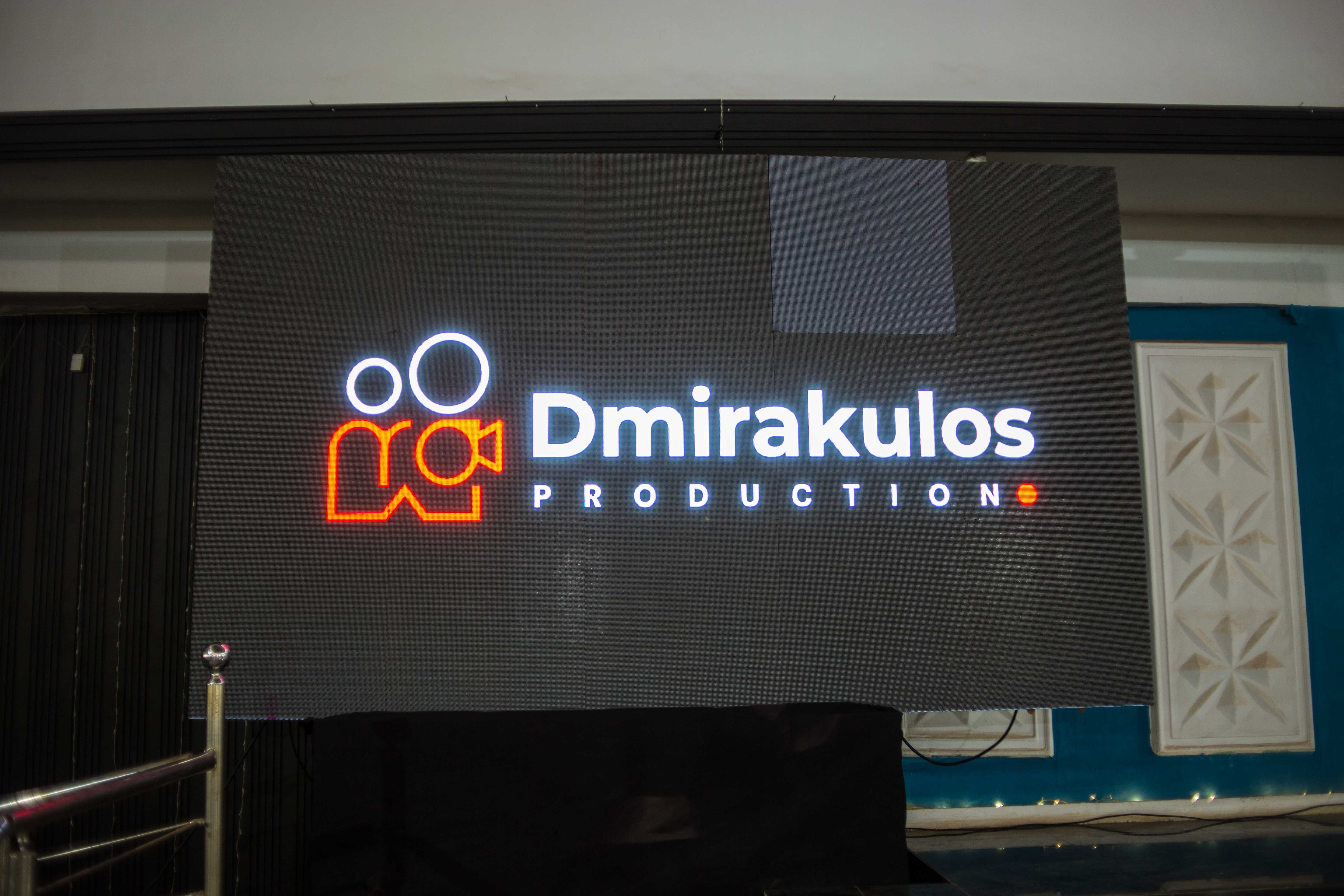
Ten years ago, LED video walls were the reserve of stadium concerts and international conferences. Today, they're the centrepiece of Nigerian weddings, church conventions, corporate launches, and awards ceremonies — and Ibadan is no exception.
But LED walls are also one of the most misunderstood production elements. Choosing the wrong pixel pitch, the wrong size, or the wrong supplier can turn your investment into a distraction. This guide explains what you need to know.
What Is an LED Video Wall?
An LED video wall is a large display made up of modular LED panels — small squares that click together like tiles. Each panel contains thousands of tiny LEDs that form pixels. Because the panels are modular, LED walls can be built in almost any size or shape, including curved configurations.
Unlike projectors, LED walls don't require a dark room. They're bright, vivid, and visible in daylight. Unlike flat-screen TVs, they can be scaled to any dimension — a 20-foot LED wall is just as feasible as a 6-foot one.
Why Events in Ibadan Are Choosing Them
- Stage presence. An LED wall transforms a plain stage into a cinematic backdrop.
- Content flexibility. Switch from a brand video to live footage to speaker slides without breaking a sweat.
- Live streaming synergy. Feed the stream output to the LED wall so the audience in the room sees what viewers at home see.
- Photography impact. Every photo taken at the event carries your branding on the LED wall behind it.
- Daylight visibility. Unlike projectors, they work in bright venues — including outdoor daytime events.
Pixel Pitch — The Number That Matters Most
Pixel pitch is the distance between individual LEDs on a panel, measured in millimetres. Lower numbers mean more pixels, sharper images, and higher cost.
| Pixel Pitch | Best For | Viewing Distance |
|---|---|---|
| P2.6 – P3.9 | Conferences, indoor events, close-up viewing | 1–3 metres |
| P4.8 – P6.6 | Weddings, church services, mid-sized stages | 3–6 metres |
| P8 – P10 | Concerts, large outdoor events | 6–15 metres |
| P16+ | Billboards, stadiums, distant audiences | 15+ metres |
For most Ibadan events — weddings at venues like Kakanfo Inn, corporate conferences at the UI Conference Centre, church conventions — P3.9 or P4.8 hits the sweet spot. Sharp enough for close-up audience cameras, affordable enough for a one-day event.
Curved vs Flat
Flat walls are simpler, cheaper, and work for 80% of events. Curved walls are more dramatic and wrap around the stage — but they require more panels, more rigging time, and content that's been formatted for the curve. Pixel-mapping for a curved wall is a specialised skill: if your content creator doesn't know the geometry, the image will look distorted.
Typical Rental Costs in Ibadan
| Setup | Typical Cost (₦) |
|---|---|
| Small wall (3m × 2m), indoor use | 250,000 – 450,000 |
| Medium wall (6m × 3m), wedding or conference | 500,000 – 900,000 |
| Large wall (10m × 4m), full stage backdrop | 1,200,000 – 2,500,000 |
| Curved configuration | +30–50% over flat |
| Custom content creation (per minute) | 150,000 – 500,000 |
Costs vary by pixel pitch, delivery distance, setup complexity, and event duration. Multi-day events usually get a discount on the second day since the wall stays rigged.
Content: The Part Most People Forget
An LED wall is only as good as what plays on it. Before your event, decide:
- Formatting. LED walls use unusual aspect ratios. Content must be pre-sized. 16:9 videos will letterbox, which looks unprofessional.
- Brightness. Content that's too bright can look washed out; content that's too dark loses detail. Grade for LED, not for YouTube.
- Motion. LED walls refresh at high rates; slow pans and gradients look clean, but fast motion or moiré patterns can produce visual artefacts.
- Colour. Different LED panels reproduce colour differently. Content should be tested on-site before the event.
- Playback. Do you have a media server (Resolume, PlaybackPro), or are you feeding from a laptop? Complex multi-layer content needs a proper server.
Test before event day
Always run a full content test on-site the day before — or at least several hours before doors open. Last-minute colour and formatting fixes are always stressful and never quite right.
LED Walls vs Projectors — When to Choose What
| Factor | LED Wall | Projector |
|---|---|---|
| Brightness | Very high | Limited — needs dark rooms |
| Resolution | High, scalable | Varies by distance and lens |
| Setup time | 2–4 hours | 30–60 minutes |
| Cost (mid-tier event) | Higher | Lower |
| Curved shapes | Yes | Very difficult |
| Outdoor use | Yes | Only at night |
Rule of thumb: if your event is indoors, small, and budget-sensitive, a projector will do. If it's a headline event — a corporate launch, a church convention, a wedding you want to look unforgettable — LED wins.
Questions to Ask Your LED Vendor
- What pixel pitch are you supplying, and does it suit my viewing distance?
- Is the wall flat or curved, and how does that affect content?
- Do you supply a technician on-site for the full event?
- What's the content test and setup schedule?
- How is content loaded — USB, media server, or live feed?
- What happens if a panel fails mid-event? (Answer should be: hot-swap within minutes.)
- Is delivery, rigging, and breakdown included in the quote?
- Are backup panels on-site?
The Final Word
An LED wall can transform an event. But it's not a plug-and-play solution — it requires the right pixel pitch for your venue, content formatted for the wall, and a supplier who handles testing, playback, and on-site support properly.
We supply and operate LED walls across Ibadan for weddings, church conventions, corporate launches, and awards ceremonies. We handle pixel mapping, content creation, and on-site operation as part of every rental. Talk to us about your event.
Written by
Dmirakulos Production
Editorial
Videographers, live stream producers, drone operators, and LED specialists based in Ibadan, serving clients across Nigeria and beyond.